Interview Naemi Ada about « Body of Glass », at the San Sebastián International Film Festival

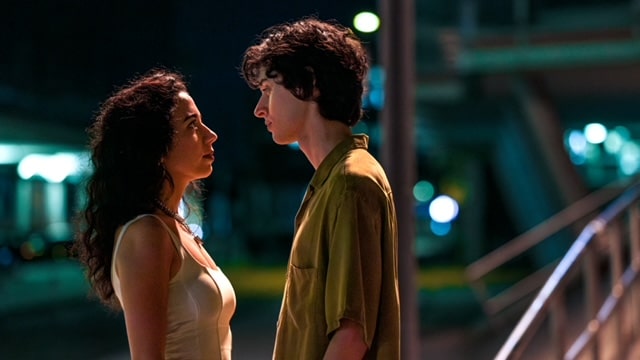
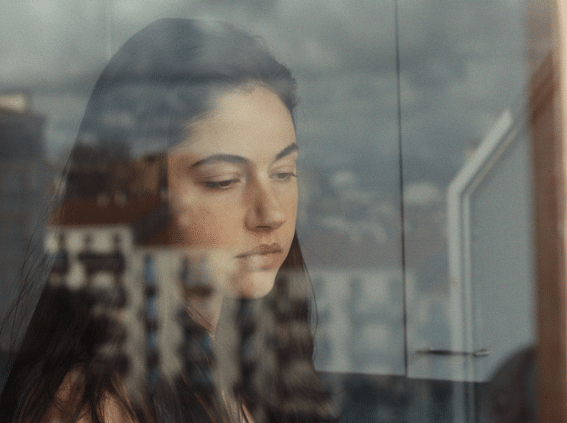
Tristan Baille : In « Body of Glass », artistic creation is at times connected with violence, destruction and human contradictions. Was this something that was already on your mind when you were writing the film ?

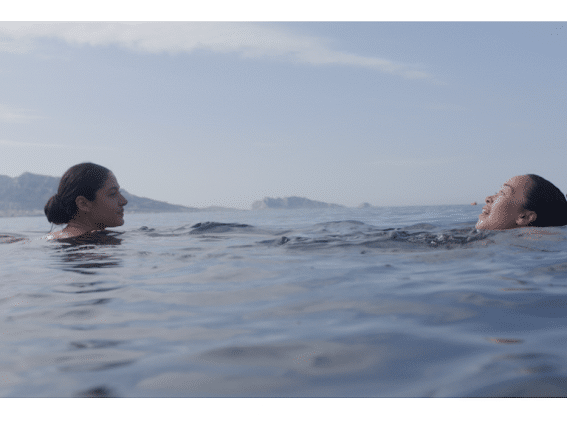
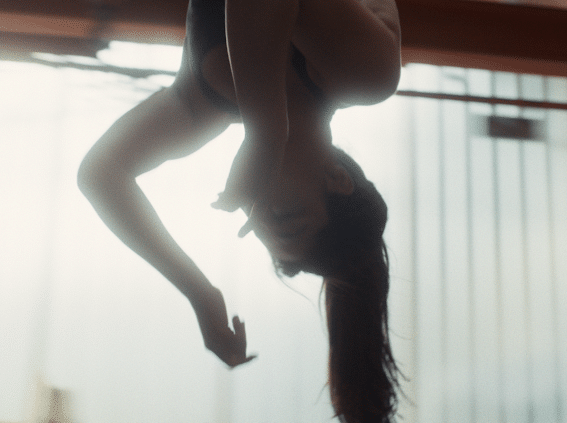
Naemi Ada : Yes, I thought about it a lot while writing, about the way art can sometimes emerge from violence, destruction or contradiction. We are human beings, and we are made up of very different things, sometimes even opposing things. Nothing is completely pure or perfectly coherent. There can be something strange in the way we live, communicate and behave towards one another, and art is also part of that complexity. For me, making a film is perhaps a way of entering into those contradictions rather than trying to resolve them.
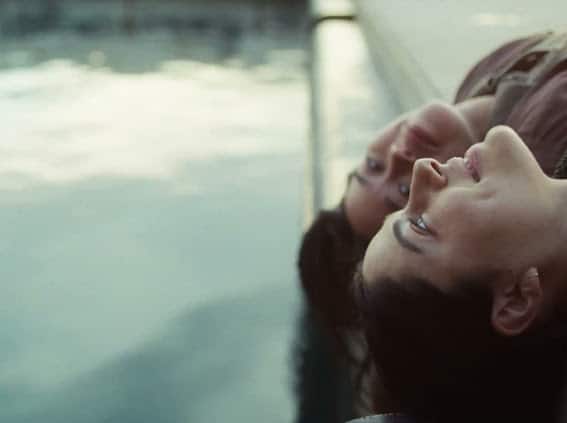
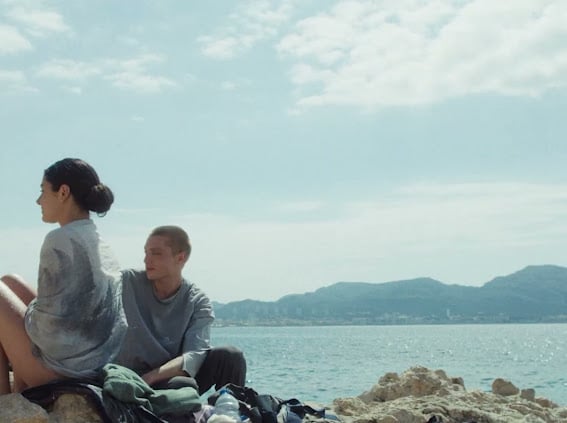
Tristan Baille : The film also touches, at times, on violence against women. How did you want to approach this through your character ?

Naemi Ada : I mainly wanted to try to understand what she feels, what she is going through and how she continues to live with it. What interested me was not only what happens to her, but also what that experience can create inside her. She can appear strong, almost protected by a kind of shell, but behind that there is also fragility. As an artist, I wanted to stay close to that complexity without trying to judge her.

Sometimes we tend to judge characters very quickly, and perhaps women in particular : we wonder whether they are reacting in the right way, whether they are making the right choices, whether they should leave, stay, speak or remain silent. I wanted instead to leave those questions open.
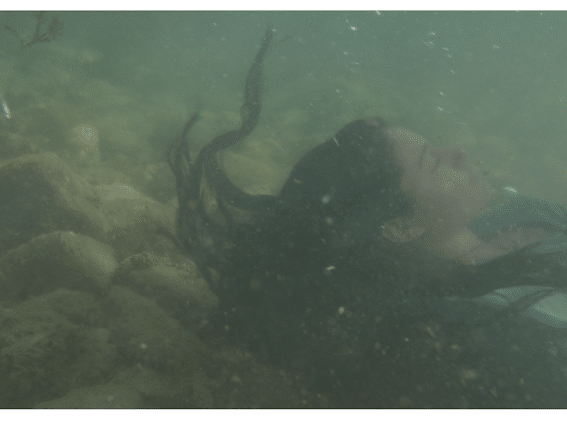
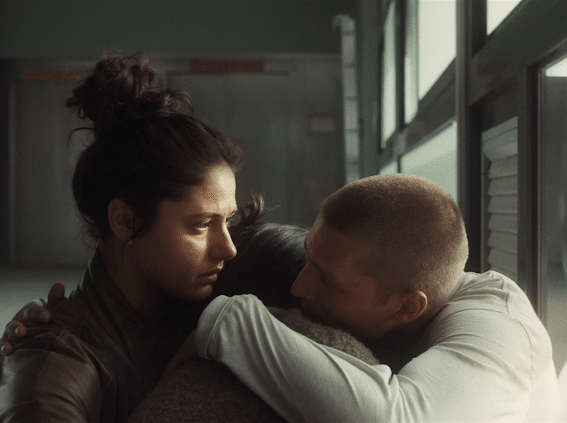
Tristan Baille : You also seem to want to leave a certain degree of uncertainty within the relationships between the characters.

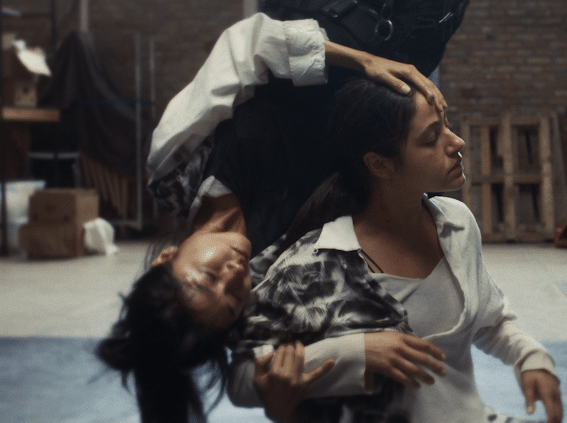
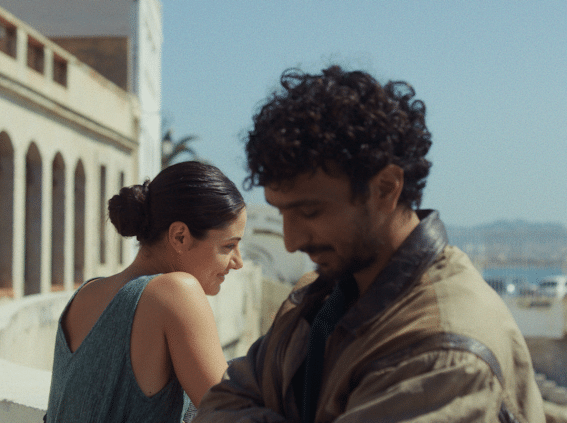
Naemi Ada : Yes, because human relationships can be very complicated. There can be love, fear, desire, violence and confusion, and sometimes several of these things can exist at the same time. Even in a bedroom, in a very intimate space, so many things can happen between two people. I didn’t necessarily want to explain to the audience how they should understand every gesture or every decision. I prefer to show the characters, their behaviour and their contradictions, and allow each person to feel what exists between them. For me, that is more interesting than immediately defining someone as good or bad.

Tristan Baille : Spirituality also seems to be present in the way you approach cinema. Is that something important to you ?

Naemi Ada : Yes. Spirituality, energies, and what we can feel from other people or in certain places are things I’m quite sensitive to. It can be the energy of a person, a room, a space or a landscape. When I make a film, I also try to be attentive to that. Of course there is the screenplay, the characters and the directing, but there can also be something that we cannot completely control or always explain. For me, a film can sometimes feel like a puzzle : you bring together different elements, sensations, people and spaces, and little by little something begins to appear.
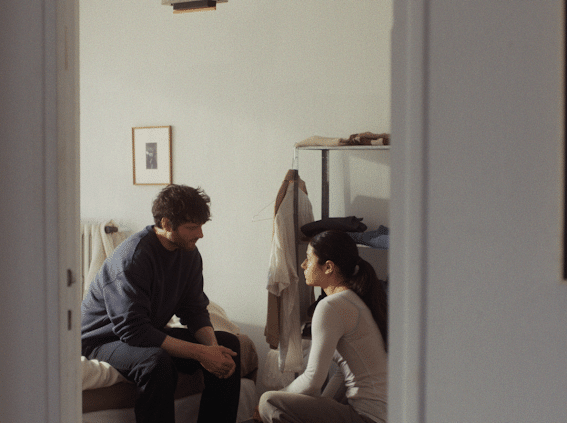
Tristan Baille : Does this way of working also allow you to give the audience more freedom ?

Naemi Ada : Yes, I think that is becoming increasingly important to me. I’m gradually trying to let go a little more in my films and not explain everything. I like the idea that the audience can enter the film with their own experiences, their own emotions and their own way of looking at things. Each viewer can discover something slightly different, and that interests me a lot. Cinema can sometimes make you feel an emotion without immediately knowing why you are feeling it. I find that very beautiful. I don’t necessarily want to interrupt or guide that freedom. I would like the audience to be able to believe in the story, but also to question it and experience it in their own way. That is probably one of the things that interests me most about cinema today.

Interview by Tristan Baille with Naemi Ada about Body of Glass, at the San Sebastián International Film Festival.

Interview Marlene Emilie Lyngstad / Cute / New directors

Interview Marlene Emilie Lyngstad / Cute / New directors

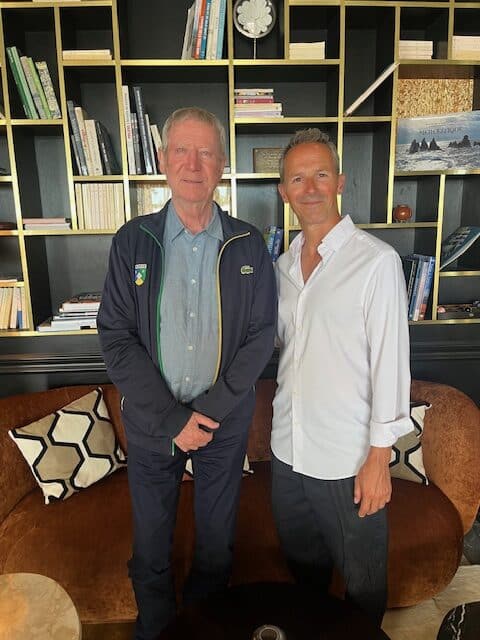
At the San Sebastián International Film Festival, I met filmmaker Marlène Emilie Lyngstad at the Hotel María Cristina to discuss « Cute », her debut feature. Exploring transgressive desires and a relationship that resists straightforward moral categorisation, the film deliberately places the viewer in an uncomfortable position : it asks audiences neither to endorse its characters’ behaviour nor to condemn them outright, but to take the time to examine what lies behind their impulses, their loneliness and their need to be loved.

Geister / Rencontre avec Fatih Akin

Geister / Rencontre avec Fatih Akin

I feel a sense of gentleness mingled with something far more painful, as though Fatih Akin had wanted to rediscover, beneath all the violence, all the wounds and all the shadowy places his cinema has so often explored, a more unguarded, almost purer form of feeling, something that still belongs to that age when we can love before we have learned to protect ourselves, when we believe everything is beginning at the very moment life may brutally decide that everything must stop.

Faris and Farasha are twenty when they meet, a single glance is enough, then Farasha dies that very night, yet their story does not end there, because she manages to reach Faris in his dreams for forty nights, and I love this idea deeply because it turns the supernatural into something profoundly intimate: not the spectacular wish to bring back the dead, but the much simpler, far more universal longing for a little more time with someone we have just lost.

VALÉRIE HADIDA, L’ÂME AU BOUT DES DOIGTS

VALÉRIE HADIDA, L’ÂME AU BOUT DES DOIGTS

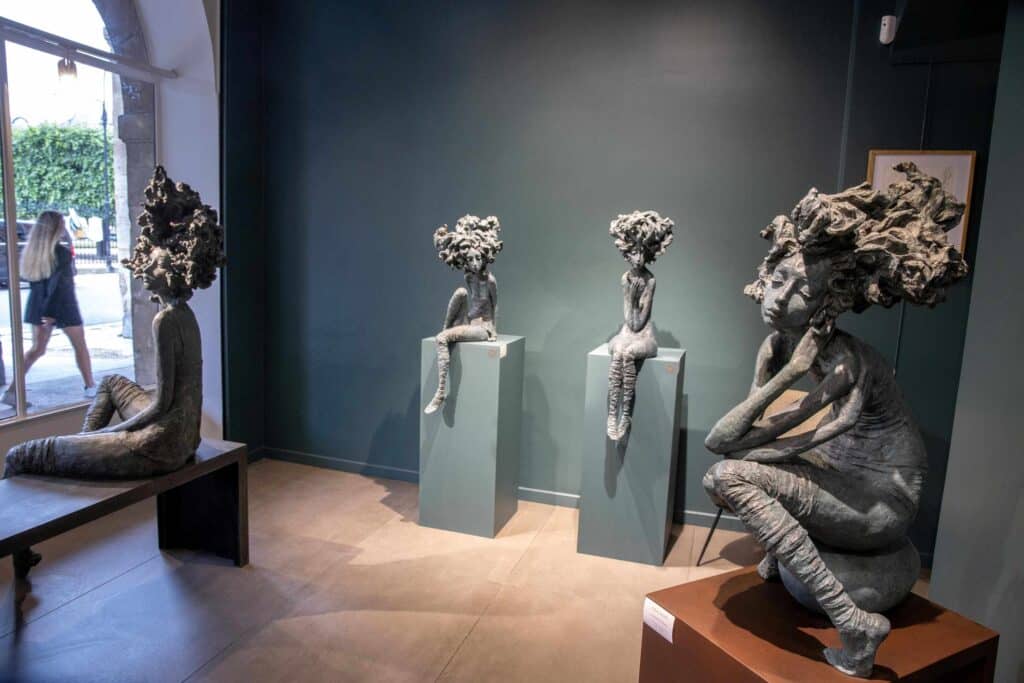
C’est une belle découverte pour moi. Au 28, place des Vosges, sous les arcades de l’une des places les plus emblématiques de Paris, je découvre à la Jakobson Gallery un écrin qui semble avoir été imaginé pour les sculptures de Valérie Hadida. Entre la géométrie souveraine de la pierre, la lumière changeante des galeries couvertes et les silhouettes de l’artiste, une évidence s’impose presque immédiatement. Je n’ai pas l’impression de voir des œuvres simplement exposées : elles semblent avoir trouvé une demeure.

PALO SANTO – IBIZA

PALO SANTO – IBIZA

Il y a des endroits qui portent en eux quelque chose d’indéfinissable. Une énergie, une âme. Las Dalias, à San Carlos, est de ceux-là. Ce qui a commencé en 1954 comme une simple bodega de village est devenu au fil des décennies l’un des lieux les plus mythiques d’Ibiza. Le marché hippie du week-end, connu dans le monde entier, attire créateurs, voyageurs et insulaires depuis des générations. En semaine, le marché nocturne prend le relais, avec ses cent stands de mode, bijoux et artisanat baignés de lumières féeriques et de musique envoûtante. Et chaque mercredi soir, c’est le célébrissime Namaste, qui s’empare du jardin dès 19h, avant de migrer vers le club Akasha pour prolonger la nuit. Une célébration qui rassemble depuis plus de 25 ans autour de la danse, de la musique, de l’amour et de la paix. Ici, tous les âges, tous les styles, toutes les tribus se croisent et se mélangent. C’est ça, Las Dalias. Un lieu de vie à part entière, ouvert, coloré, libre. Exactement l’endroit où l’on s’attend à trouver un restaurant comme Palo Santo.

Matsuri Genève, le sushi bar culte prend l’accent Suisse

Matsuri Genève, le sushi bar culte prend l’accent Suisse

Matsuri a choisi les Eaux-Vives pour poser ses premières assiettes en Suisse. Une arrivée qui marque un nouveau chapitre pour cette enseigne née à Paris en 1986, connue pour son kaïten, ce tapis roulant autour duquel s’organise le repas. À Genève, le concept a été entièrement repensé avec Pesca Rouge, poissonnerie et table carougeoise fondée par Anaïs et David Comerro, qui apporte au projet son expertise du produit et son ancrage local.

NŪN IBIZA – Le feu, la mer et l’âme d’Ibiza

NŪN IBIZA – Le feu, la mer et l’âme d’Ibiza

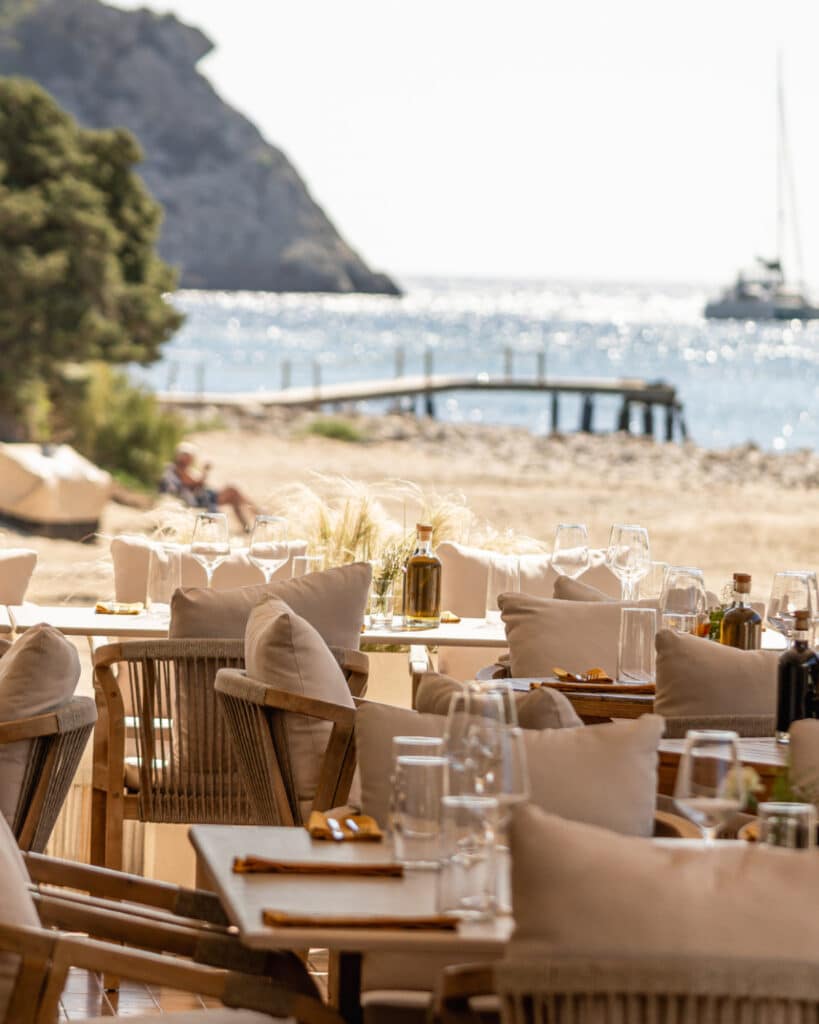
À Cala Llonga, là où la baie dessine l’un des paysages les plus doux de l’île, NŪN incarne parfaitement cette nouvelle génération d’adresses qui font rayonner Ibiza autrement.

Dès l’arrivée, le décor donne le ton. Face à la mer, entre sable blond, bois naturel et teintes lumineuses, l’atmosphère est élégante sans jamais être prétentieuse. Ici, tout semble ralentir. Le temps, les conversations, le rythme de la journée.

MAJORELLE – Ibiza

MAJORELLE – Ibiza

Nichée dans les ruelles de Dalt Vila, à quelques mètres seulement du cœur animé de la vieille ville, Majorelle se découvre comme une parenthèse paisible au milieu du tumulte d’Ibiza le soir. L’adresse se trouve dans une rue calme, presque à l’écart, et c’est...

IBIZA FOOD STUDIO

IBIZA FOOD STUDIO

Pour rejoindre Taller Sa Penya, le restaurant d’Ibiza Food Studio, il faut s’aventurer dans le dédale des petites rues pavées de Sa Penya, l’ancien quartier des pêcheurs de la Marina, voisin de Dalt Vila. On grimpe, on tourne, on cherche notre chemin et surtout… on cherche une porte. Pas de grande enseigne lumineuse, pas de voiturier, aucune mise en scène spectaculaire annonçant l’une de ces adresses dont Ibiza a le secret.