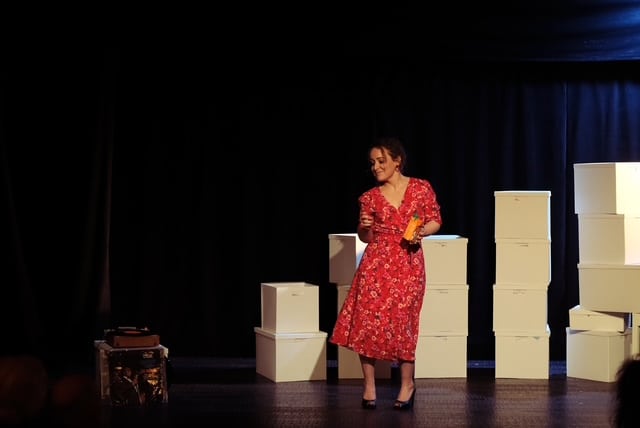
Interview Ellie Kingdon / Mamma Mia! (Londres)

Tristan Baille : You had already played Sophie Sheridan on the international tour before joining the West End production. How has your understanding of the character evolved since you first stepped into the role ?

Ellie Kingdon : My interpretation of the role has definitely evolved since March 2024. I think the more life lessons you learn, the more you’re able to understand Sophie’s complex journey as the years pass. Her desperate need to discover what’s important to her is such a gorgeous and generous journey to explore as an actress, and the more I play her, the more I learn from her personally too.

Tristan Baille : Sophie is full of joy and youthful energy, but she is also searching for her identity and her place in the world. Which aspect of her personality do you connect with most deeply ? 

Ellie Kingdon : The discovery of her place in the world is something I feel is so poignant right now for young women, and this is something I definitely connect with on a deeper level. Her youthful energy is infectious, which adds a lightness to the story, but the moments of the show that highlight her desperate need to discover what she thinks is her future can be moving for most, we’ve all been there. She’s extremely relatable to most of the audience in some way or another. I, along with many others I’m sure, have convinced myself I am destined for one thing when truly I am destined for the complete opposite, but discovering this can come with all kinds of emotions. She has taught me so very much about what I long for in life and what’s truly important to me.

Tristan Baille : Mamma Mia! creates an extraordinary connection with its audience, many of whom know every song before the performance begins. What does it feel like to experience that energy from the stage each evening ?

Ellie Kingdon : There’s no better feeling. To be able to tell a story that is essentially about love in all its forms, via the music of ABBA, is one of the greatest jobs of my life. The songs are somehow ingrained in our memories from childhood. You can’t remember how you know them, you just always have. The audience usually includes people from every stage of life and, no matter who is watching, this musical has a magical way of sending you through the doors smiling and dancing after a surprise moment of heartwarming tears. Offering a form of escapism from this crazy world right now will always be a privilege.

Tristan Baille : Sophie and Donna’s mother/daughter relationship is at the emotional heart of the musical. How did you and Sara Poyzer work together to make that relationship feel genuine and moving ?

Ellie Kingdon : Even though the show has been running for 27 years now and the framework is always the same, we were encouraged to play and collaborate, bringing our own previous versions to help find our version as a duo. I think it was quite clear early on that we had a natural chemistry and, honestly, bringing our individual personalities to the roles made the relationship work seamlessly from the get-go. We always had a safe environment to discuss ideas, play unapologetically and support one another. For me, letting go can be one of the hardest parts of a rehearsal process, but Sara made it so easy and allowed me to discover (and keep discovering) who my Sophie was.

Tristan Baille : Beyond the famous songs and the feel-good atmosphere, what do you think Mamma Mia! has to say to today’s younger generation about family, love and choosing their own future ?

Ellie Kingdon : That life is messy. Sometimes the direction you’re heading in can take a sharp turn, and feeling lost is normal. Love is everywhere if you’re willing to see it : relationships, platonic love, friendships, a stranger passing you on the street. Navigating the current world alongside so many factors that tell us what we should be, who we should be friends with, what our wedding should be, etc., is beyond difficult. Staying true to yourself is the most important thing. Remaining kind, giving grace, loving outwardly and unapologetically being YOU. No one can do ‘you’ better than you.

Mamma Mia!
Novello Theatre, London
Currently booking until 13 March 2027

https://www.novellotheatrelondon.info

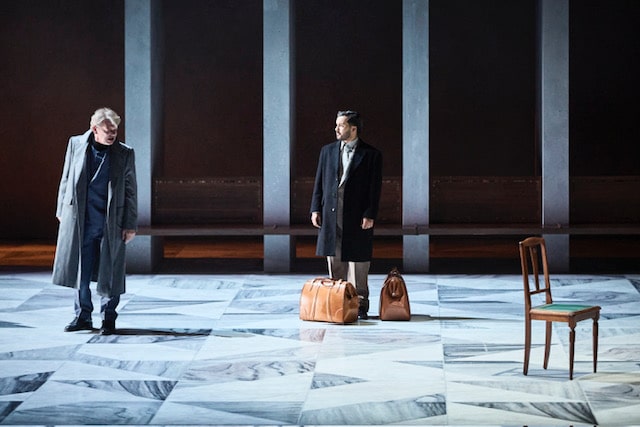
Interview de Stéphane Varupenne autour de « Ruy Blas », de Victor Hugo

Interview de Stéphane Varupenne autour de « Ruy Blas », de Victor Hugo

Stéphane Varupenne : Bonjour ! Il y a parfois des liens à travers les costumes de répétition. On retrouve des étiquettes portant les noms d’anciens comédiens, pas forcément ceux de la dernière production, d’ailleurs : cela vient du stock de la maison. Quand on enfile une veste ayant appartenu à un comédien qu’on n’a pas connu, c’est assez dingue. Il existe cette filiation par le costume.

Pour le spectacle, en revanche, de nouveaux costumes sont créés par les ateliers.

Quant à savoir si c’est grisant, oui ! Je trouve toujours plus grisant de jouer des pièces qui ne sont pas si souvent montées. Il y a moins de repères, et c’est aussi une liberté. Je n’avais pas vu le spectacle de Brigitte à l’époque, mais j’en ai regardé la captation. C’est intéressant de découvrir les différentes esthétiques selon les époques, les différentes façons de jouer.

Entretien de Tristan Baille avec Laurence Gray autour de Toutes les choses géniales

Entretien de Tristan Baille avec Laurence Gray autour de Toutes les choses géniales

Bonjour ! Qu’est-ce qui t’a donné envie de porter ce texte sur scène ? Et, en le travaillant, as-tu découvert des choses que tu n’avais pas perçues à la première lecture ?

Laurence Gray : Je suis une grande lectrice, mais je trouve parfois la lecture d’une pièce un peu aride. Le théâtre est fait pour être joué, pour être vu. Or, là, c’est l’une des rares fois où, dès la lecture, j’étais totalement avec le personnage. J’étais transportée, je passais du rire aux larmes. Je l’ai lu d’une traite et j’ai eu un immense coup de cœur.

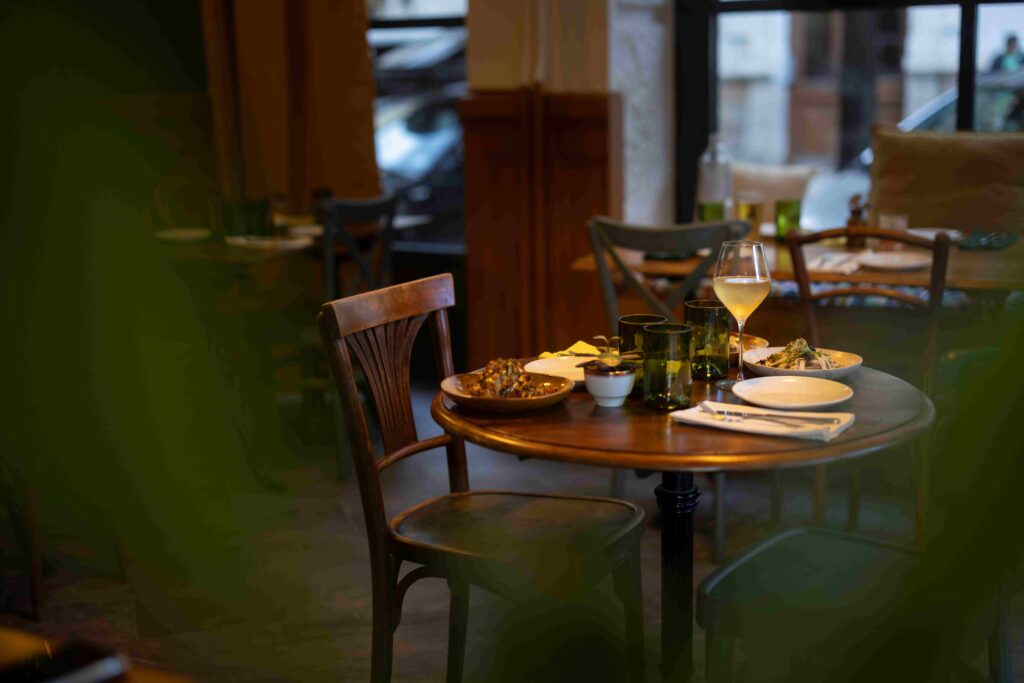
Äkta à Genève, le bistrot qui façonne aussi ses assiettes

Äkta à Genève, le bistrot qui façonne aussi ses assiettes

À Plainpalais, Lisa Otterström et Grégoire Lieutet ont ouvert une adresse à leur image, libre, chaleureuse et profondément attachée au “fait maison”. Du pain au levain à la céramique, leur goût pour l’artisanat donne une personnalité singulière à cette table où l’on vient autant pour manger que pour se retrouver.

SACRÉE – MARGAUX

SACRÉE – MARGAUX

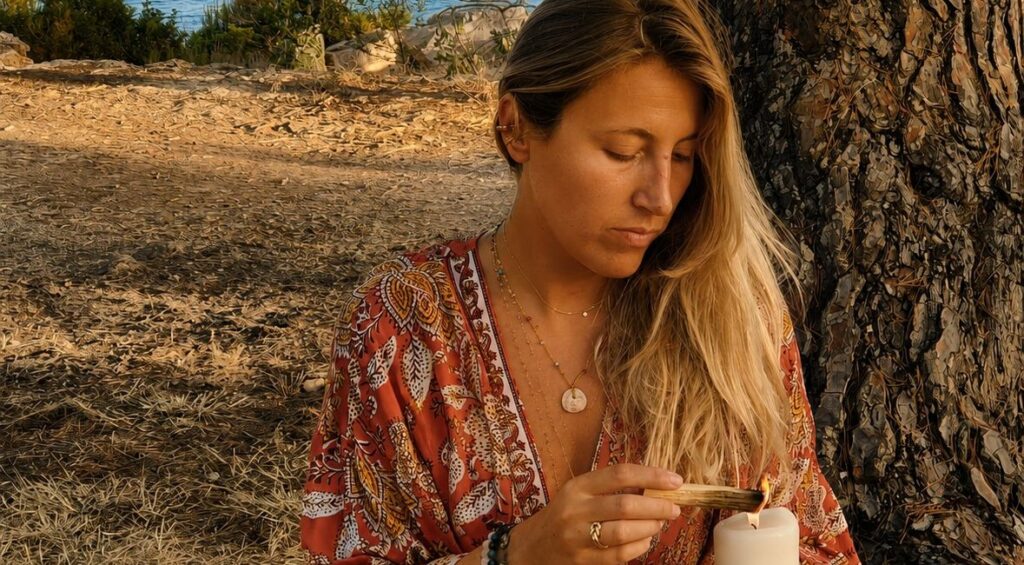
Margaux est messagère de l’invisible. Elle canalise les messages de vos guides, vos proches disparus, vos animaux, ou simplement ce qui cherche à se présenter à vous à ce moment précis de votre vie. Elle est le pont, entre ce que vous vivez et ce que vous ne savez pas encore entendre.

Interview Marlene Emilie Lyngstad / Cute / New directors

Interview Marlene Emilie Lyngstad / Cute / New directors

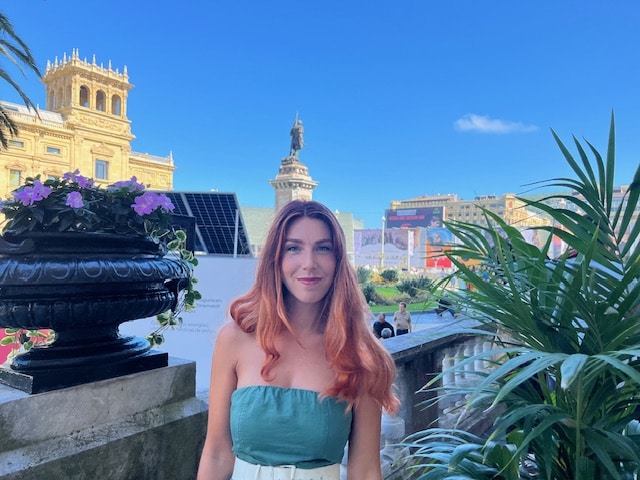
At the San Sebastián International Film Festival, I met filmmaker Marlène Emilie Lyngstad at the Hotel María Cristina to discuss « Cute », her debut feature. Exploring transgressive desires and a relationship that resists straightforward moral categorisation, the film deliberately places the viewer in an uncomfortable position : it asks audiences neither to endorse its characters’ behaviour nor to condemn them outright, but to take the time to examine what lies behind their impulses, their loneliness and their need to be loved.

Geister / Rencontre avec Fatih Akin

Geister / Rencontre avec Fatih Akin

I feel a sense of gentleness mingled with something far more painful, as though Fatih Akin had wanted to rediscover, beneath all the violence, all the wounds and all the shadowy places his cinema has so often explored, a more unguarded, almost purer form of feeling, something that still belongs to that age when we can love before we have learned to protect ourselves, when we believe everything is beginning at the very moment life may brutally decide that everything must stop.

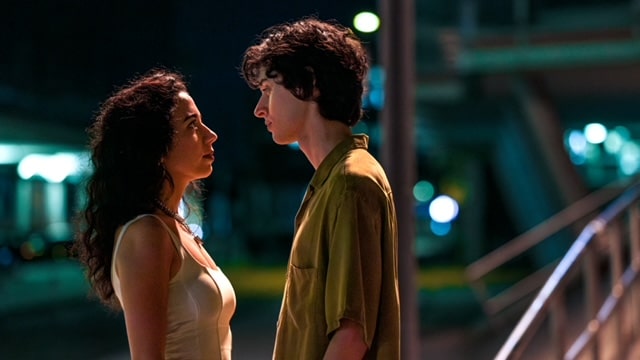
Faris and Farasha are twenty when they meet, a single glance is enough, then Farasha dies that very night, yet their story does not end there, because she manages to reach Faris in his dreams for forty nights, and I love this idea deeply because it turns the supernatural into something profoundly intimate: not the spectacular wish to bring back the dead, but the much simpler, far more universal longing for a little more time with someone we have just lost.

Interview Naemi Ada about « Body of Glass », at the San Sebastián International Film Festival

Interview Naemi Ada about « Body of Glass », at the San Sebastián International Film Festival

Tristan Baille : In « Body of Glass », artistic creation is at times connected with violence, destruction and human contradictions. Was this something that was already on your mind when you were writing the film ?

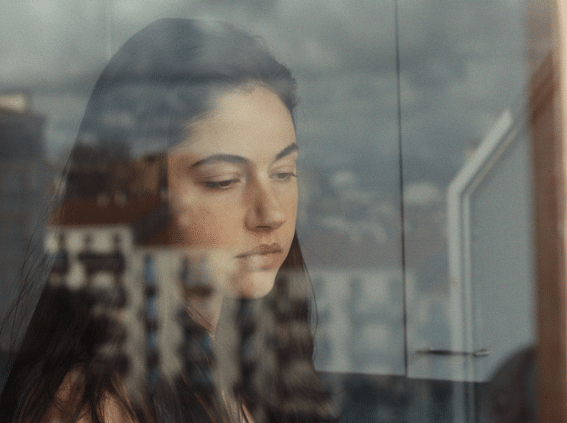
Naemi Ada : Yes, I thought about it a lot while writing, about the way art can sometimes emerge from violence, destruction or contradiction. We are human beings, and we are made up of very different things, sometimes even opposing things. Nothing is completely pure or perfectly coherent. There can be something strange in the way we live, communicate and behave towards one another, and art is also part of that complexity. For me, making a film is perhaps a way of entering into those contradictions rather than trying to resolve them.

VALÉRIE HADIDA, L’ÂME AU BOUT DES DOIGTS

VALÉRIE HADIDA, L’ÂME AU BOUT DES DOIGTS

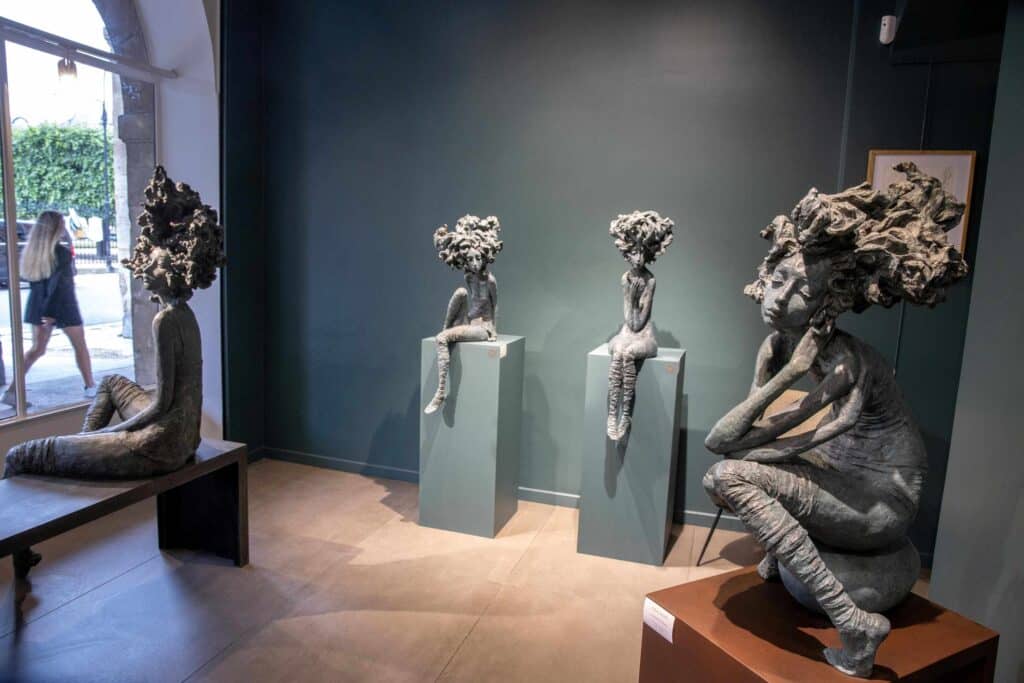
C’est une belle découverte pour moi. Au 28, place des Vosges, sous les arcades de l’une des places les plus emblématiques de Paris, je découvre à la Jakobson Gallery un écrin qui semble avoir été imaginé pour les sculptures de Valérie Hadida. Entre la géométrie souveraine de la pierre, la lumière changeante des galeries couvertes et les silhouettes de l’artiste, une évidence s’impose presque immédiatement. Je n’ai pas l’impression de voir des œuvres simplement exposées : elles semblent avoir trouvé une demeure.