There are places one visits for a drink, and others one remembers for the atmosphere that surrounded it. Booking Office 1869, the bar at St. Pancras London, belongs unmistakably to the second category.
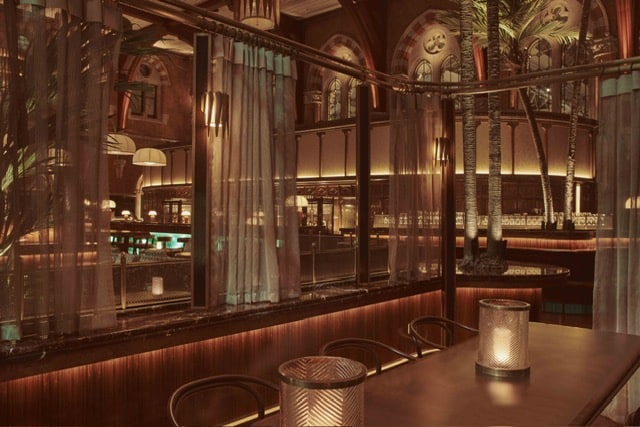
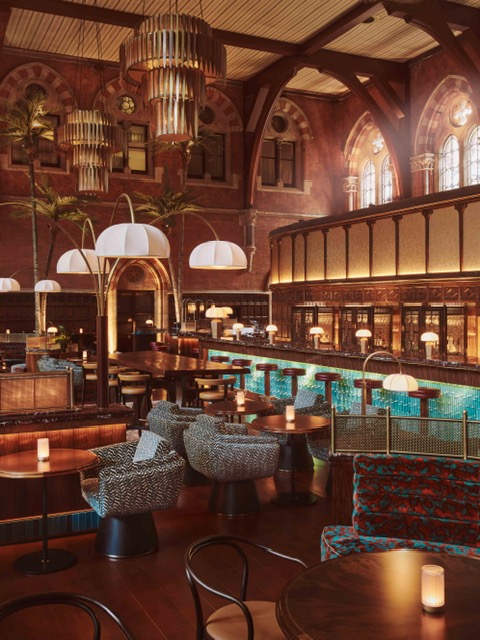
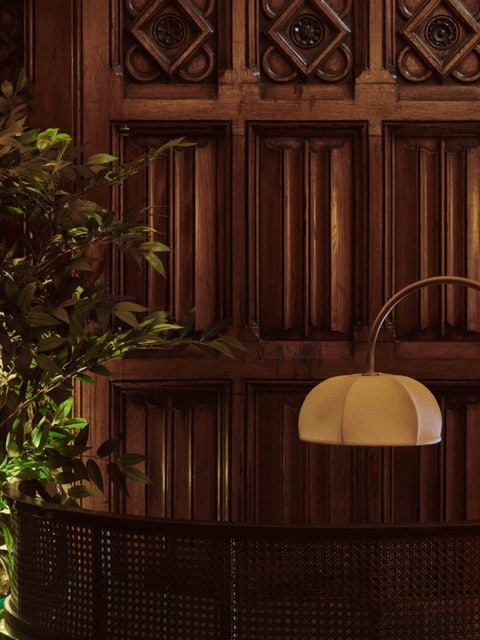
From the moment you enter, the setting imposes its own sense of time. The spectacular architecture, the generous proportions of the room and the soft light create an atmosphere that is both grand and intimate. The history of St. Pancras London remains present, but never feels frozen. It lives quietly in the walls, in the arches, in the height of the ceilings and in the constant impression that countless journeys have begun or ended nearby.
Yet Booking Office 1869 is not simply a beautiful historic setting. It is a living London bar, elegant without being intimidating, sophisticated without losing its warmth. The décor creates an immediate sense of escape, as though the city outside had momentarily slowed down. Conversations become softer, gestures more deliberate, and the simple act of sitting down for a cocktail takes on the character of an occasion.
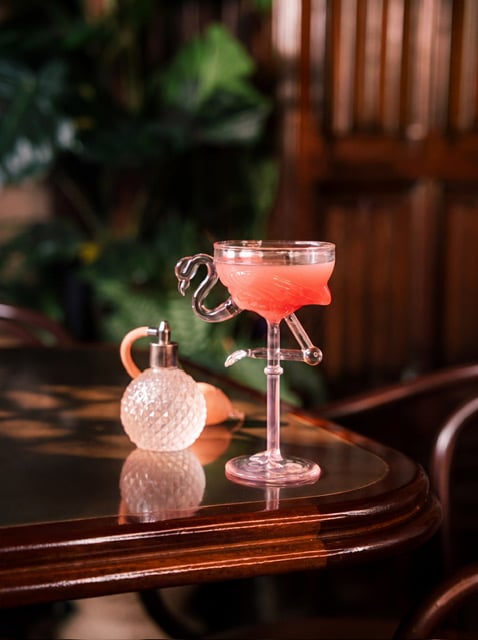
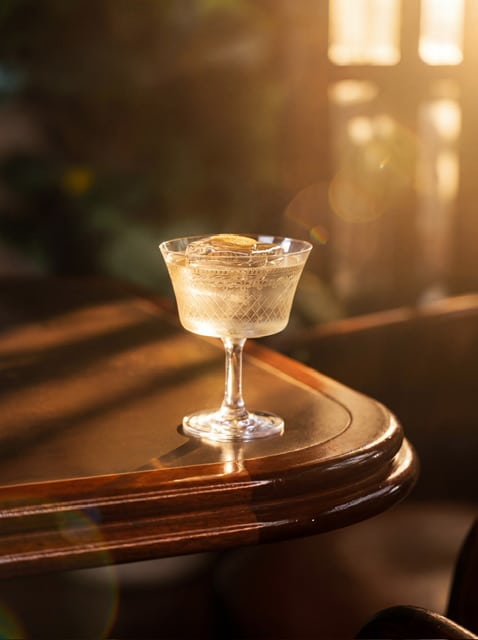
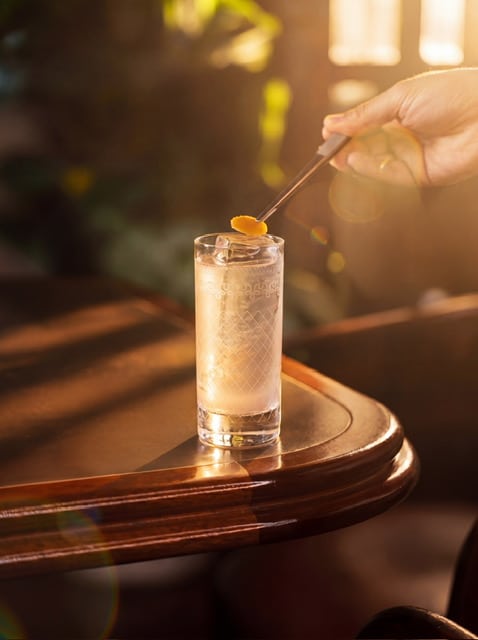
Invited by the hotel to enjoy a cocktail tasting accompanied by a special animation, I discovered an experience in which presentation and hospitality were considered with equal care.
The cocktail was not merely placed on the table. Its arrival became part of a small performance, designed to awaken curiosity before the first sip. The animation brought movement, surprise and an element of theatre to the tasting, transforming the drink into something more than a combination of flavours.
For a few moments, the glass became the centre of attention.
Every detail contributed to the experience: the precision of the gestures, the balance of the presentation, the play of light around the glass and the gradual revelation of the cocktail’s aromas. The animation did not overwhelm the drink or reduce it to a visual effect. On the contrary, it created anticipation and invited a more attentive tasting.
That balance is essential. In contemporary mixology, spectacle can sometimes become more important than flavour. Here, the theatrical element remained elegant and controlled. It accompanied the cocktail rather than competing with it, adding another dimension to the pleasure of discovery.
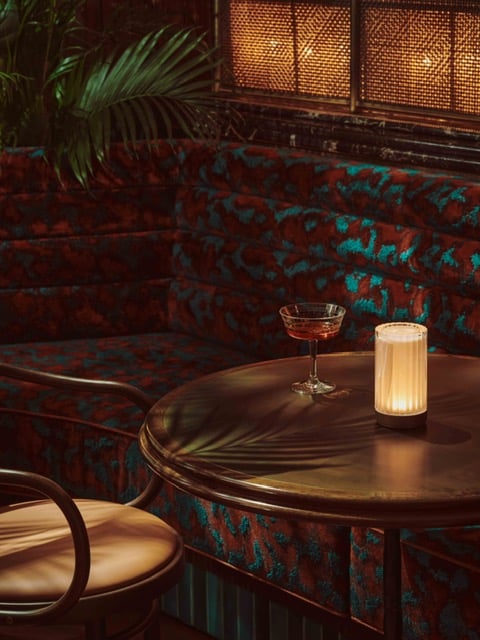
The first sip completed what the presentation had begun. After the visual surprise came the more intimate experience of taste: the meeting of aromas, textures and contrasts, the freshness of one note followed by the warmth or depth of another. A successful cocktail does not reveal everything at once. It evolves slowly, allowing each element to emerge in turn.
The service reflected the same sense of balance. Attentive but never intrusive, refined without becoming formal, it contributed to the feeling that every guest was being welcomed rather than simply served. True luxury often lies in this discretion: the ability to anticipate without interrupting, to explain without lecturing and to create a memorable moment without making the effort behind it visible.
There is something particularly appropriate about enjoying such an experience at St. Pancras London. A station is traditionally a place of movement, urgency and departure. Booking Office 1869 offers the opposite: an invitation to pause.
Around the bar, travellers, Londoners and visitors cross paths for a moment. Some may be preparing to leave the city; others have just arrived. Some are celebrating, while others are simply allowing the day to end slowly. Each person brings a different story into the room, and the bar seems to gather them all beneath its extraordinary architecture.
This tension between movement and stillness gives the place much of its charm. Outside, trains continue to arrive and depart. Inside, time appears briefly suspended.
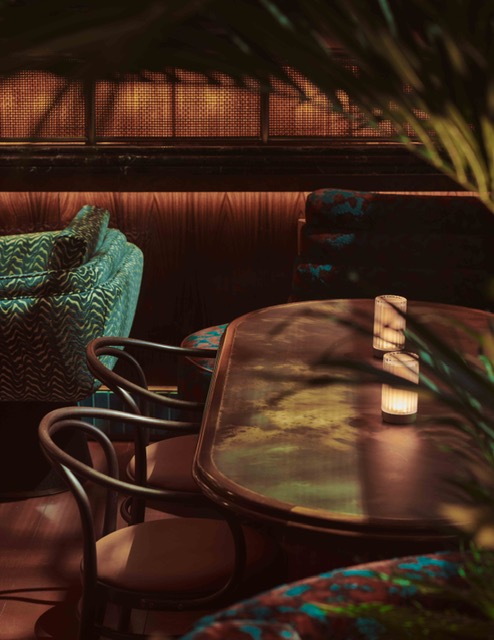
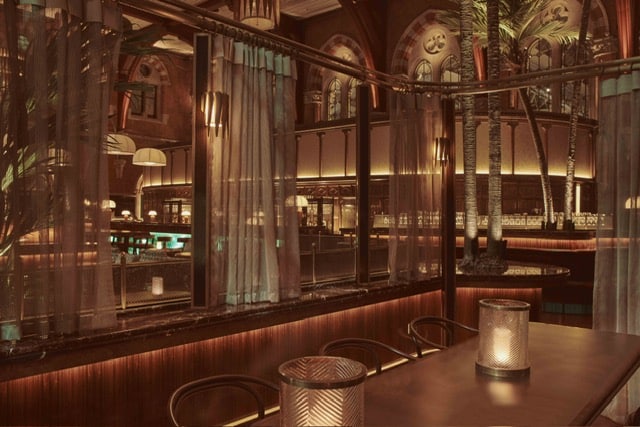
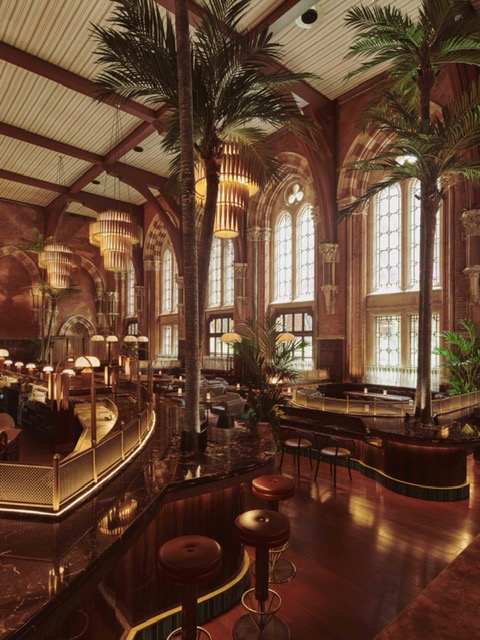
The experience also reveals what a hotel bar can become when it possesses a genuine identity. Booking Office 1869 is not merely an elegant waiting room or an extension of the hotel lobby. It has its own atmosphere, its own rhythm and its own sense of occasion. One could visit without staying at the hotel and still feel that one had entered a complete and distinctive world.
The animation accompanying the cocktail captured that spirit perfectly. It introduced surprise without excess, creativity without pretension and theatre without sacrificing elegance. More importantly, it created a connection between the drink, the setting and the person tasting it.
Because the finest hospitality is not only about offering something beautiful. It is about creating a memory around it.
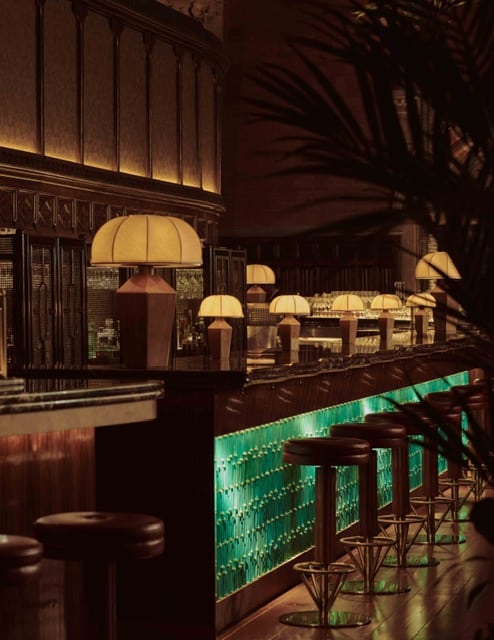
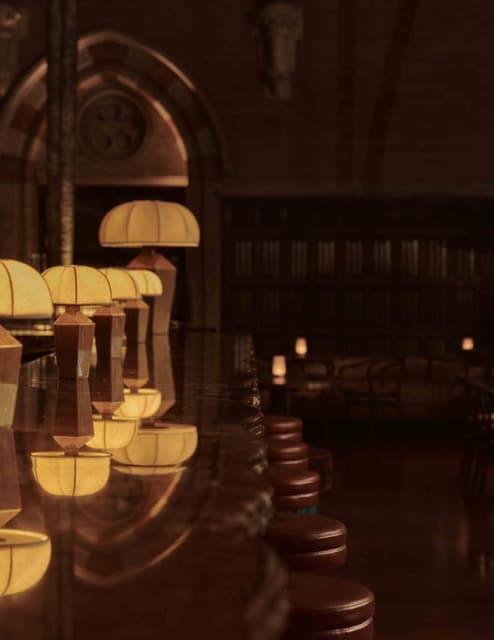
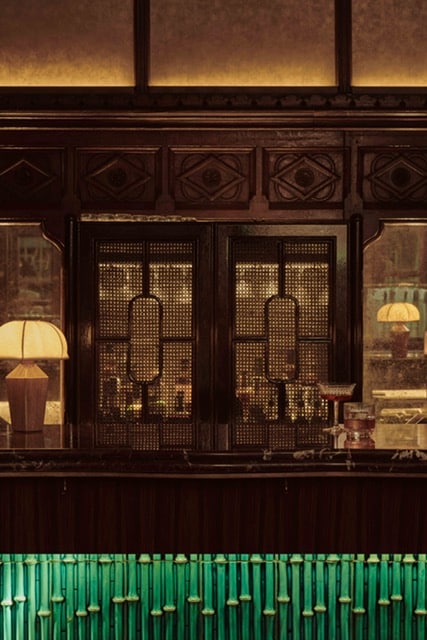
Long after the last sip, what remains is not simply the flavour of the cocktail. It is the impression of the room, the light reflected in the glass, the movement of the presentation and the feeling of having briefly stepped outside the ordinary rhythm of London.
At Booking Office 1869, a cocktail is not merely prepared.
It arrives with a story, occupies the stage for a few moments and then disappears, leaving behind the most precious ingredient of all: the desire to return.