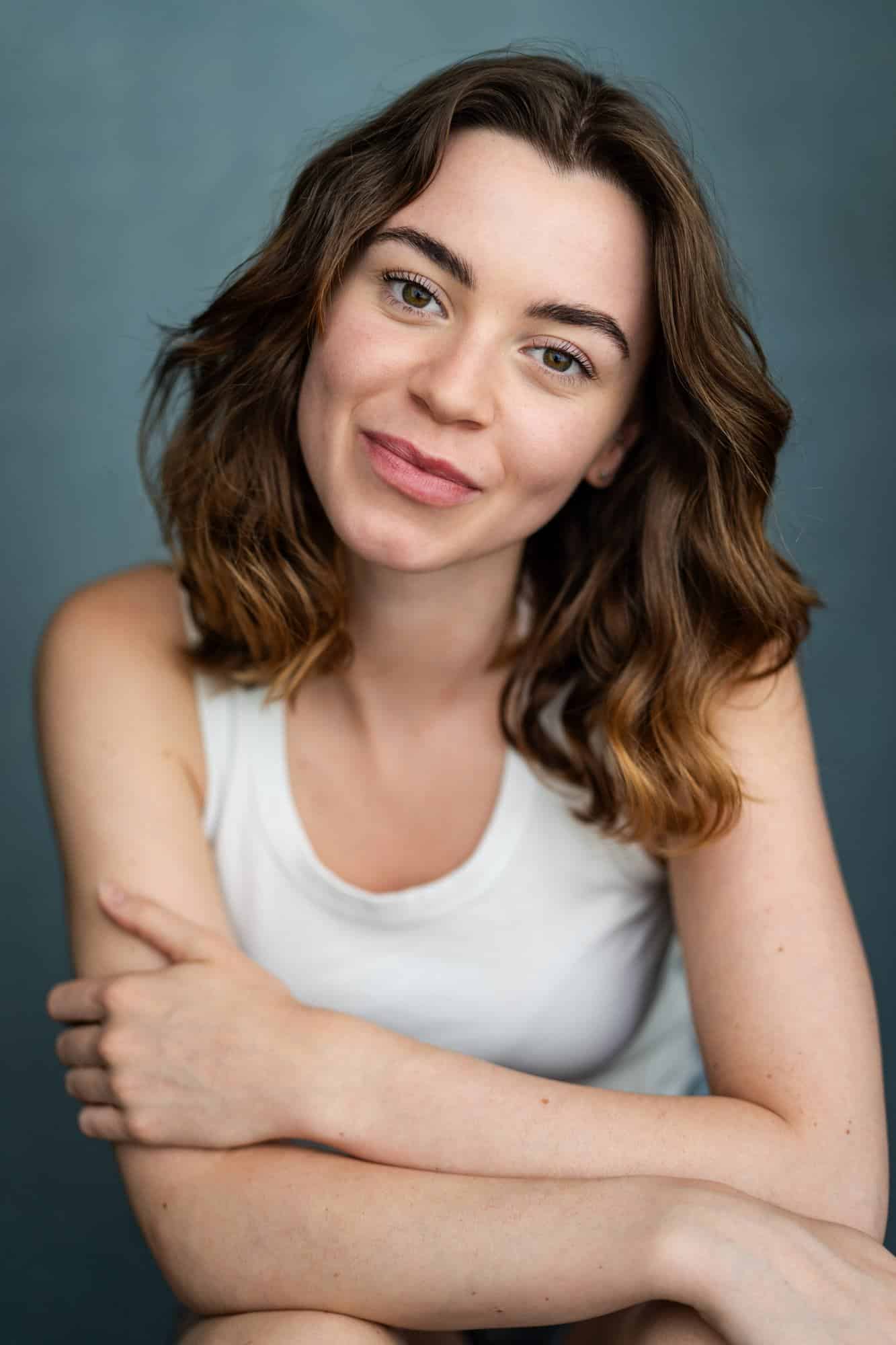
Tristan Baille : You have had an incredible rise: your studies, television, then the West End with Mamma Mia !… How do you look back on that journey today ?
Stevie Doc : It’s quite crazy when I think about it… I was still training at ArtsEd in London when the Mamma Mia! adventure came along. Of course, I had worked for it, I had trained, I had studied, but going from a musical theatre school to a television show, and then to a leading role in the West End, was a huge shock.
Music has always been part of my life. I come from a family where we sang a lot, where there was this very simple joy in gathering around songs. It wasn’t necessarily a family of show business professionals, but there was that energy, that pleasure of singing together, which certainly made me want to go on stage.
The show was an extremely intense experience. You learn quickly, because you are exposed, judged, encouraged, pushed to surpass yourself. But I think that is also what prepared me for professional theatre : handling nerves, accepting that not everything will be perfect, and carrying on despite the pressure.
Playing Sophie in Mamma Mia ! was my first major role, my first real contact with the West End, with the audience, with the rhythm of an established show. It was terrifying and wonderful at the same time. I felt as if I were experiencing all my “firsts” at once: first major stage, first media attention, and also my first real responsibility. But it was exactly what I had worked for.
Tristan Baille : Is there a part of you that still finds it hard to realise everything that has happened to you ?
Stevie Doc : Yes, completely. I don’t think I would ever have imagined winning a television show. Even while taking part in Mamma Mia !, there was a part of me that thought : « It’s already incredible to be here. » I wasn’t thinking about winning. I was mostly thinking about giving my best, learning, and enjoying every step. And then finding myself on a stage in London, in the West End, felt almost unreal. When you dream of musical theatre, the West End represents something huge. You admire it from afar. You see the posters, the theatres, the artists performing there, and you think it’s a world apart. So to enter that world, to carry a role, to hear the audience every night… it’s very moving.
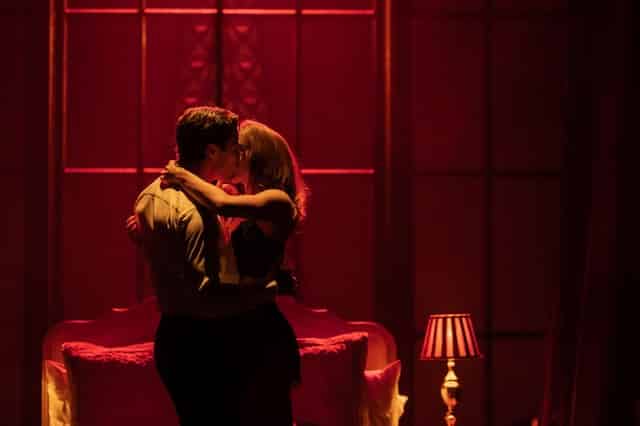
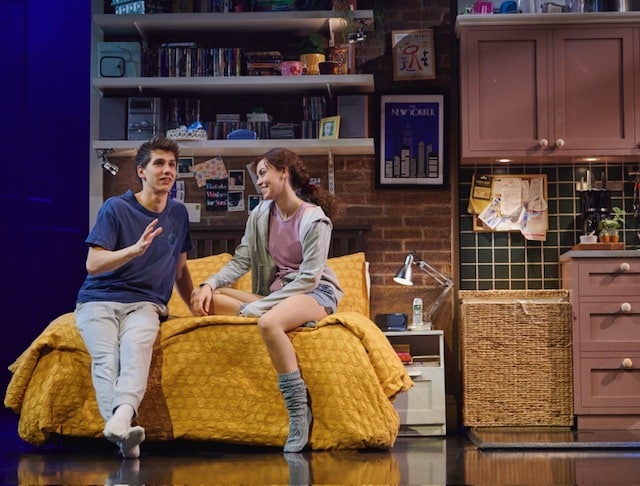
I think it’s important to keep that sense of wonder. Of course, the work is demanding, the rhythm is intense, and you have to be very strong. But I don’t want to forget the young girl who sang with her family, who dreamed of the stage without knowing exactly how to get there. That young girl is still with me.
Tristan Baille : Today, you are playing Andy Sachs in The Devil Wears Prada. What does this role represent for you ?
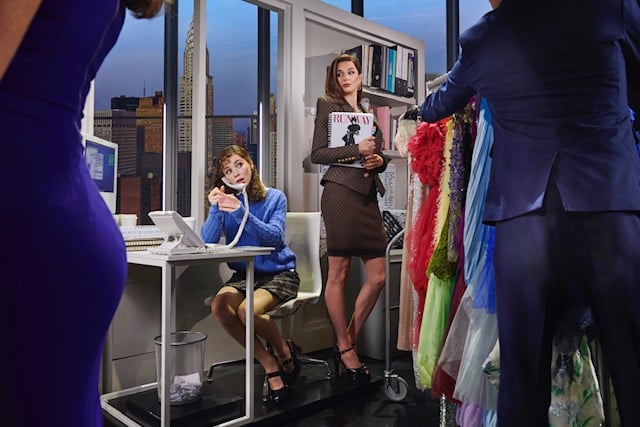
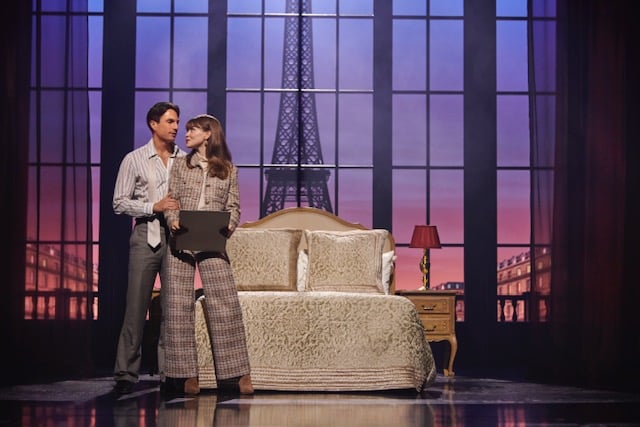
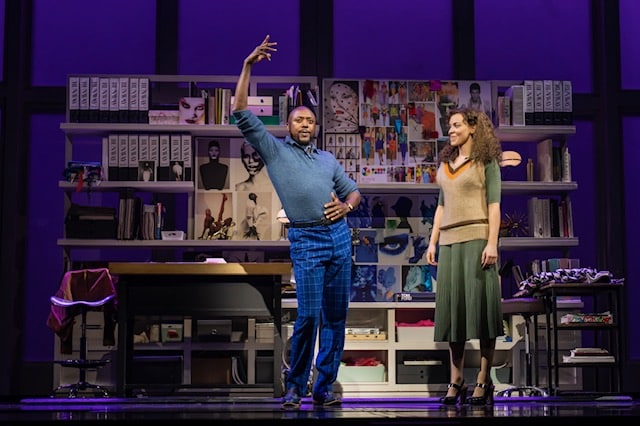
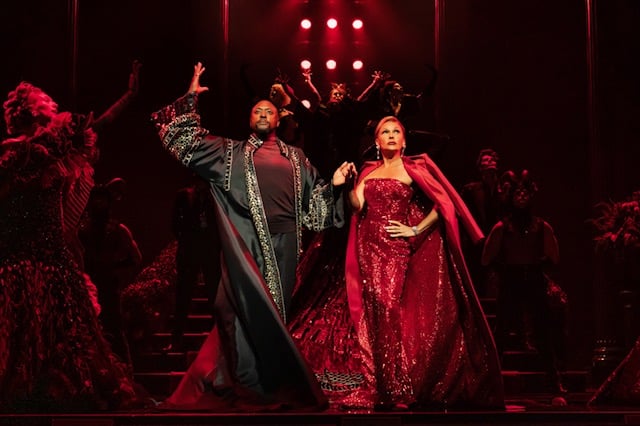
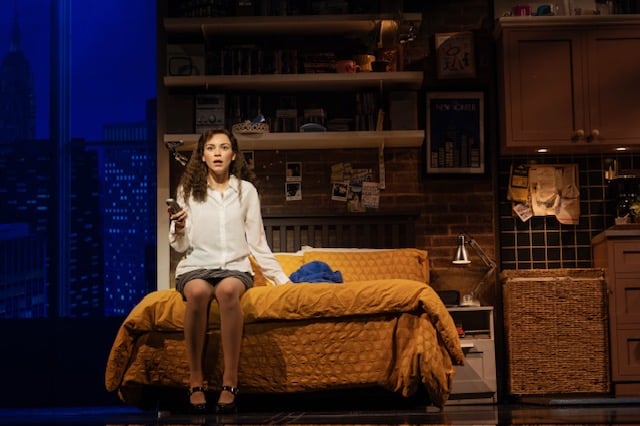
Stevie Doc : Andy is a huge role, and very different from Sophie. In Mamma Mia !, there is light, carefree energy, a kind of sunshine. With Andy Sachs, you enter a world that is much more tense, more urban, more demanding. Vocally and physically, it is a real challenge : Andy is on stage almost all the time, she goes through a constant transformation, and the audience has to follow her at every stage.
What I like about her is that she doesn’t arrive in this world with all the answers. She doubts herself, she tries to prove herself, she wants to be taken seriously. I understand that. Andy wants to be a journalist, she wants to be recognised for her work, not just for the image she projects. And then, of course, there is the weight of the film. Everyone knows Andy Sachs, Miranda Priestly, the iconic lines, the world of Runway. It is impressive to take on such a well known role, especially after Anne Hathaway. But on stage, you can’t simply copy. You have to find your own Andy, with her awkwardness, her humour, her strength, and her evolution.
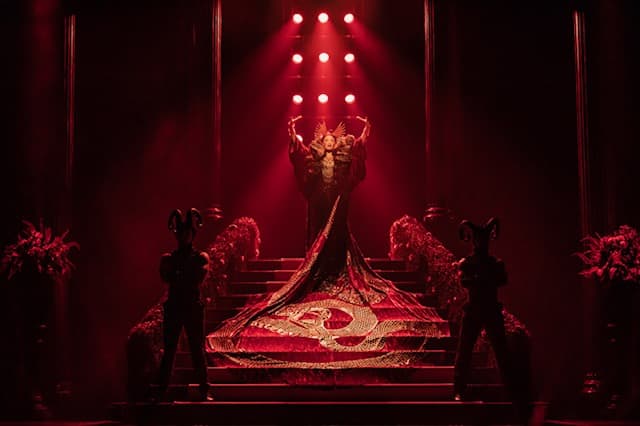
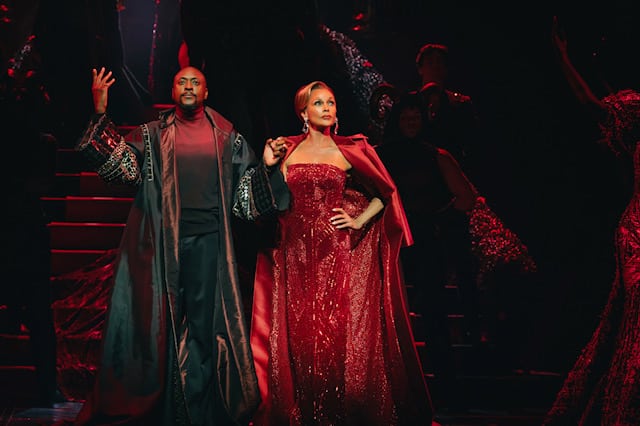
Performing opposite Vanessa Williams, who plays Miranda, is also an incredible experience. She has an immense presence. On stage, that helps enormously, because Andy’s fear becomes almost natural : when Miranda enters, the air changes. It is a role that pushes me to be more precise in my acting. After Mamma Mia !, I didn’t just want to do the same thing again. I wanted a role that would show another side of me. The Devil Wears Prada has come at the right time: it is a new challenge, a new step, and a way of proving that I can move from one world to another while still remaining myself.
Tristan Baille : After such a journey, do you feel you have gained confidence, or does every new role remain a challenge ?
Stevie Doc : Every role remains a challenge. I even think that is what makes this profession so exciting. You might think that after a television show, after a first major role, after a big stage, things become easier. In reality, you are always learning. Every show requires a new discipline, a new energy, a new way of listening to your partners and telling a story.
Tristan Baille : Confidence comes with experience…
Stevie Doc : Of course. You learn to know yourself better, to understand your voice, your body, your limits, your strengths. But I don’t believe you ever reach a point where you say to yourself : “That’s it, I know everything.” That would almost be dangerous. Live theatre reminds us every night that we have to remain present, humble, and available.
With Andy, I am still learning so much. The role demands endurance, but also a great deal of truth. It is not enough to sing correctly or deliver the lines in the right place. The audience has to see someone grow before their eyes. And that progression has to be lived again every night as if it were the first time.
Perhaps that is the most beautiful thing : continuing to learn, even when dreams begin to come true. I feel very lucky to be where I am, but I also know that nothing is guaranteed. Every new project is a chance to grow, to question yourself, and to discover a new part of who you are. None of this is experienced alone. There are the people the audience sees on stage, but there are also all those who make every encounter, every performance, every moment possible. I feel a lot of gratitude for the team around the show, for those who work in the shadows with such incredible care.
I leave this interview with a smile on my face on this rainy Saturday. I think of Didi Ralph and Ben Powney, whom I would like to thank warmly. Their kindness and support mean a great deal. In a profession where everything moves quickly, where you go from a set to a stage, from a rehearsal to a performance, people like that are immensely valuable. And then there is the place itself, the Dominion Theatre. That day, outside, London wore that grey and damp face we know so well. Rain slid across the pavements, umbrellas crossed paths in front of the theatre façade, and the sky seemed to hold back its light. But inside, there was something else : warmth, a vibration, that silent promise only theatre can offer.
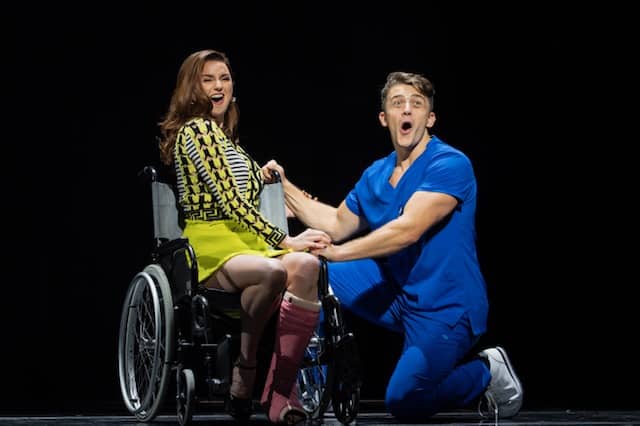
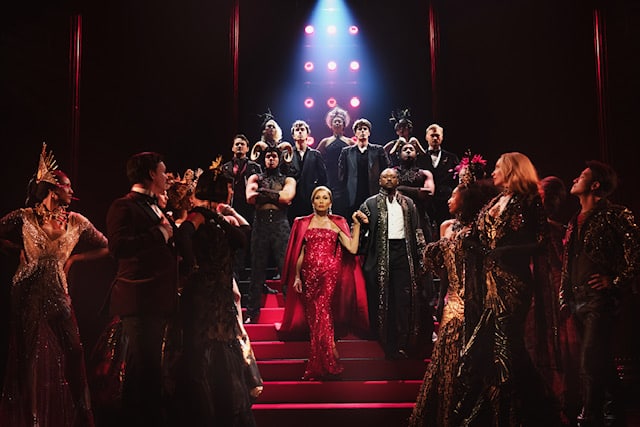
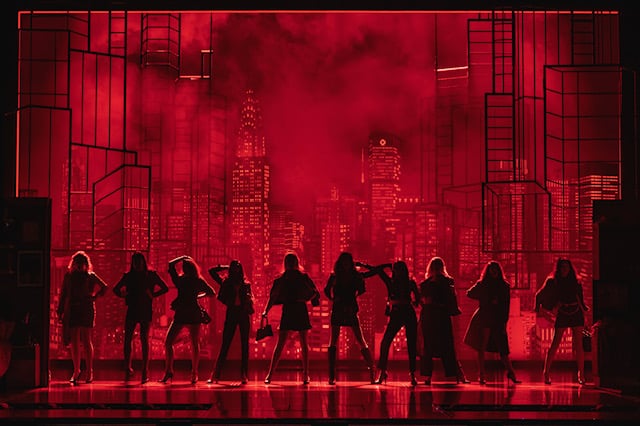
In Stevie Doc’s eyes, that rainy day nevertheless had something luminous about it. There was the quiet sunshine of someone who does not forget where she comes from, the calm flame of someone who continues to learn, and that intact passion which transforms a London stage into a territory of dreams. At the Dominion Theatre, beneath the rain, Stevie Doc was not simply recounting a journey : she was reminding us that sometimes, the most beautiful suns shine from within.